Fill in your details and our team will be in touch to confirm a time. Ensure to scroll down to answer all the questions & to submit the form.
Walk in, walk out
No stitches
No need for anaesthetist
No skin cutting
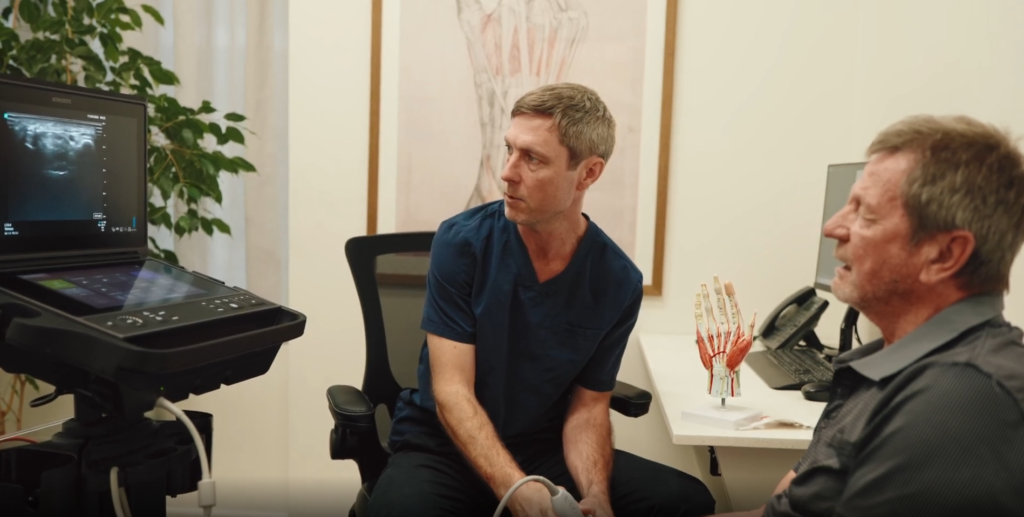
The Carpal Tunnel Syndrome treatment process starts with a thorough assessment and evaluation, focussing on symptom severity and the impacts on quality of life and function. A detailed high-resolution ultrasound scan of the forearm and wrist is performed, mapping the structures traversing the carpal tunnel and assessing the median nerve for entrapment. An in depth discussion surrounding options for treatment then follows, including an individualised treatment plan and recommendations for achieving relief of symptoms.
The Micro-Invasive release procedure utilises precise and advanced ultrasound guidance to relieve pressure on the median nerve and minimising impacts on surrounding structures. The procedure requires no general anaesthetic and minimal down time, usually taking around 15 minutes. After the procedure is completed, we provide detailed follow up advice and information to guide your recovery and rehabilitation journey.
1
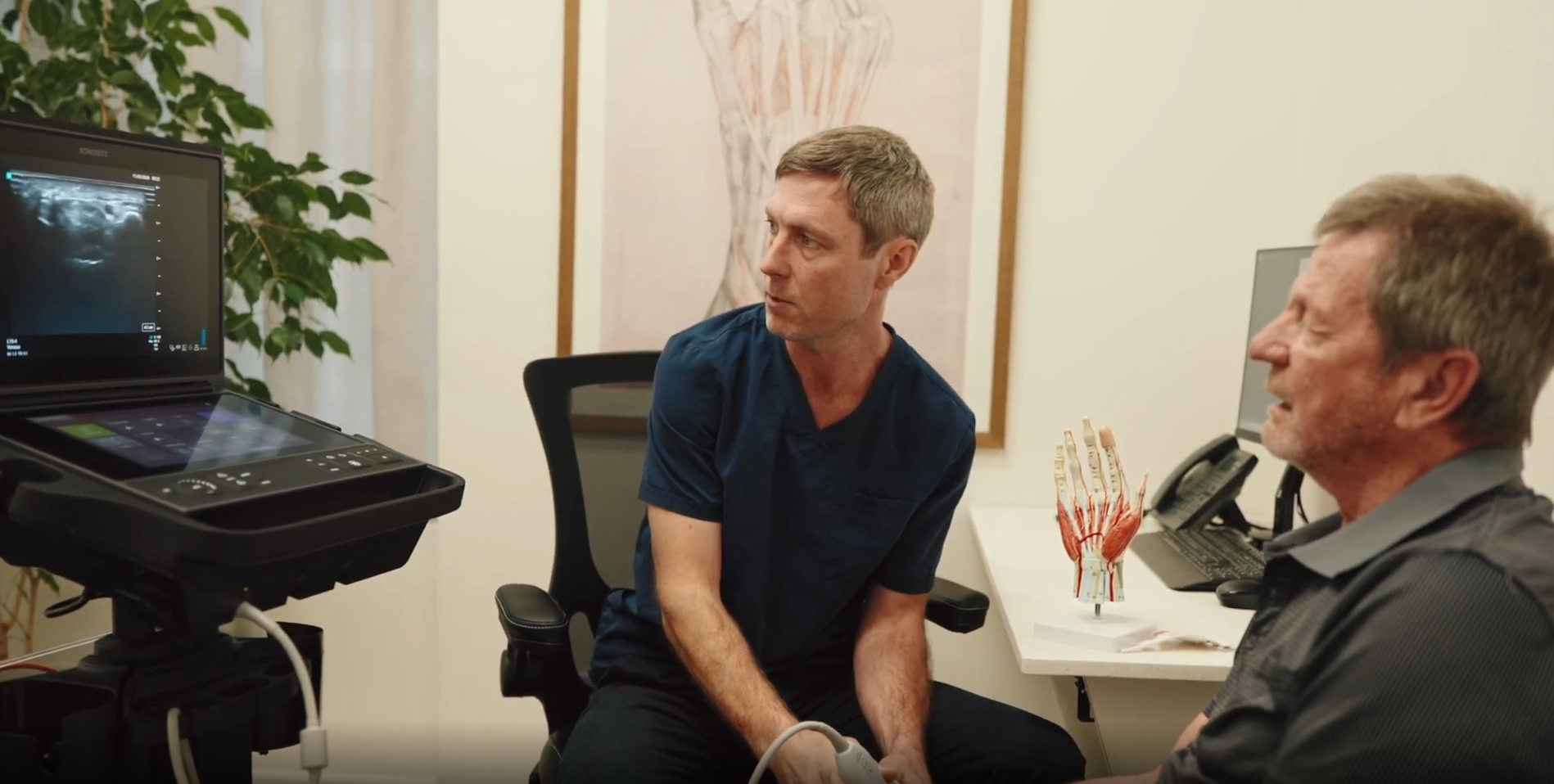
Your Doctor will undertake a detailed review your symptoms, conduct an examination and, using high resolution ultrasound imaging, mapping of the structures in the hand and wrist will be performed. Diagnostic tests, such as nerve conduction studies may sometimes be required to further confirm Carpal Tunnel Syndrome.
2
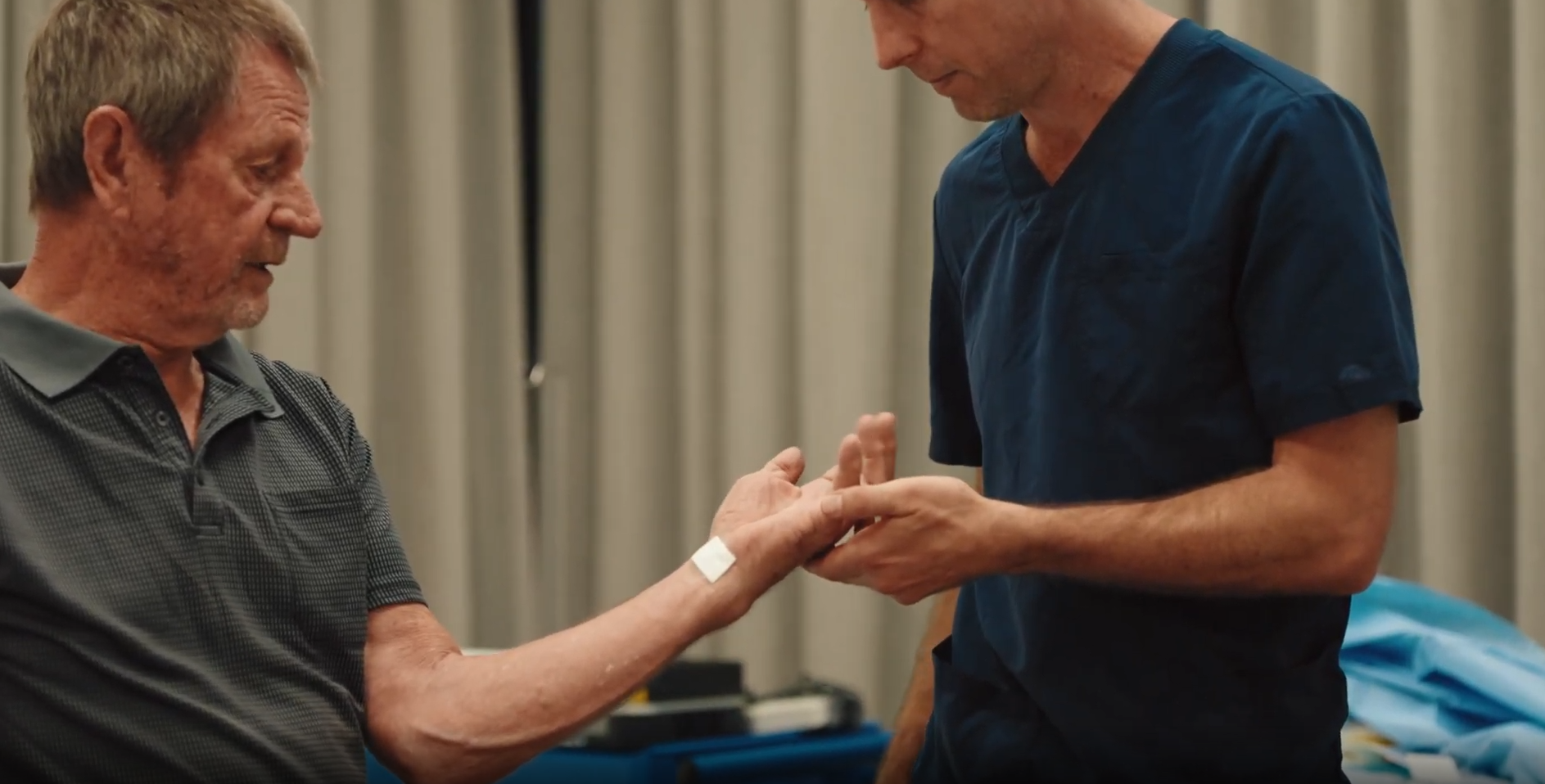
Your Doctor will explain the procedure, its benefits, risks, and alternative treatments available. They will also address any concerns or questions you may have.
3
Before the procedure, your hand and wrist will be numbed using a local anaesthetic to ensure your comfort during the treatment.
4
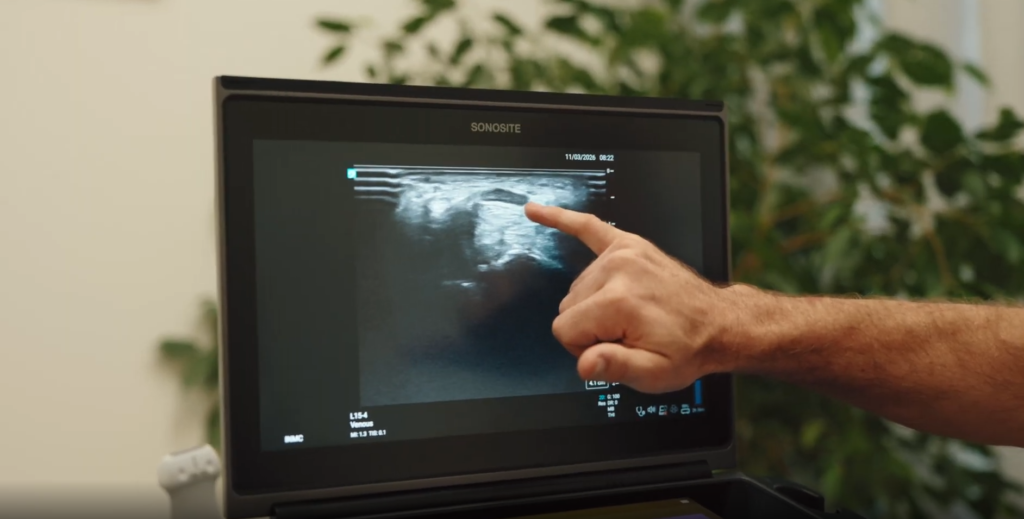
Advanced ultrasound imaging is used to visualize the carpal tunnel structures accurately. This assists in guiding the procedure and ensures precise targeting.
5
Using a Micro-Invasive instrument, your Doctor will access the carpal tunnel and gently release the pressure of the transverse carpal ligament using advanced ultrasound guidance. This step creates more space for the median nerve and tendons.
6
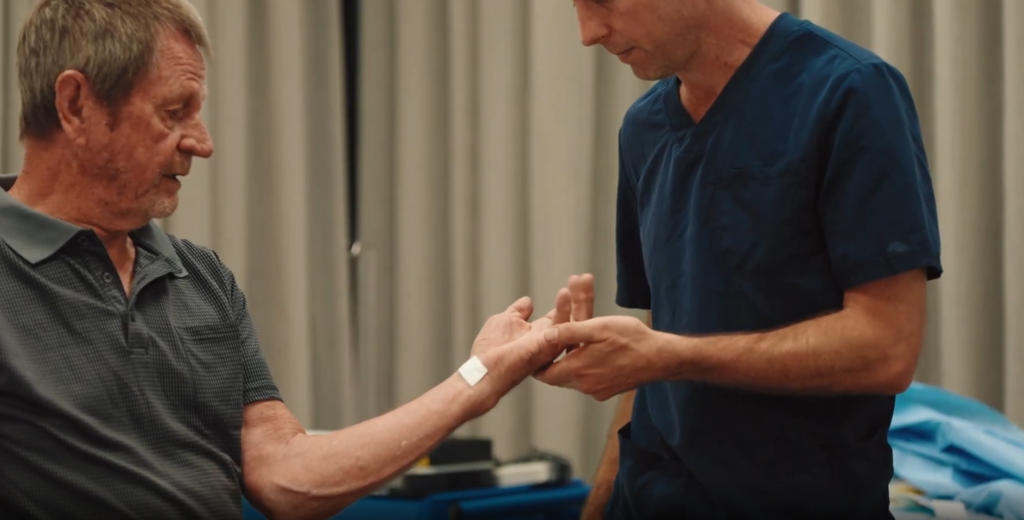
Due to the modern Micro-Invasive nature of the technique, there are no incisions on the skin, with only a single needle sized hole required. A simple band-aid is applied to the skin at the completion of the treatment.
7
You will be monitored for a short period after the procedure to ensure there are no immediate complications. Your doctor will provide specific instructions on wound care and activity limitations during the initial recovery phase.
8
A follow-up appointment will be scheduled to assess your progress, address any concerns, and provide further guidance on hand exercises and rehabilitation if necessary.
9
You will gradually resume regular hand activities, and your Doctor may recommend input from a hand therapist to aid in your recovery and help restore hand function.
1
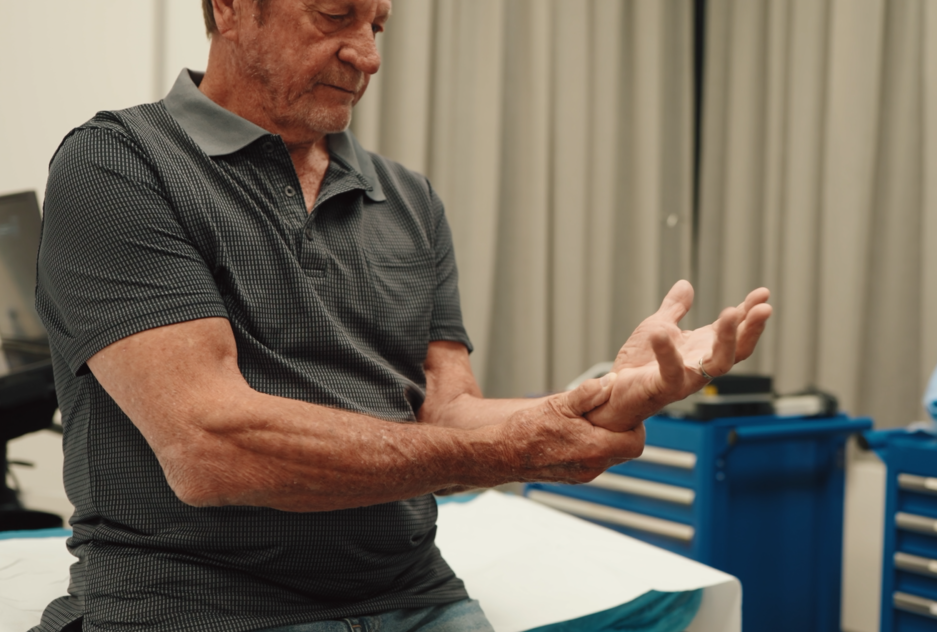
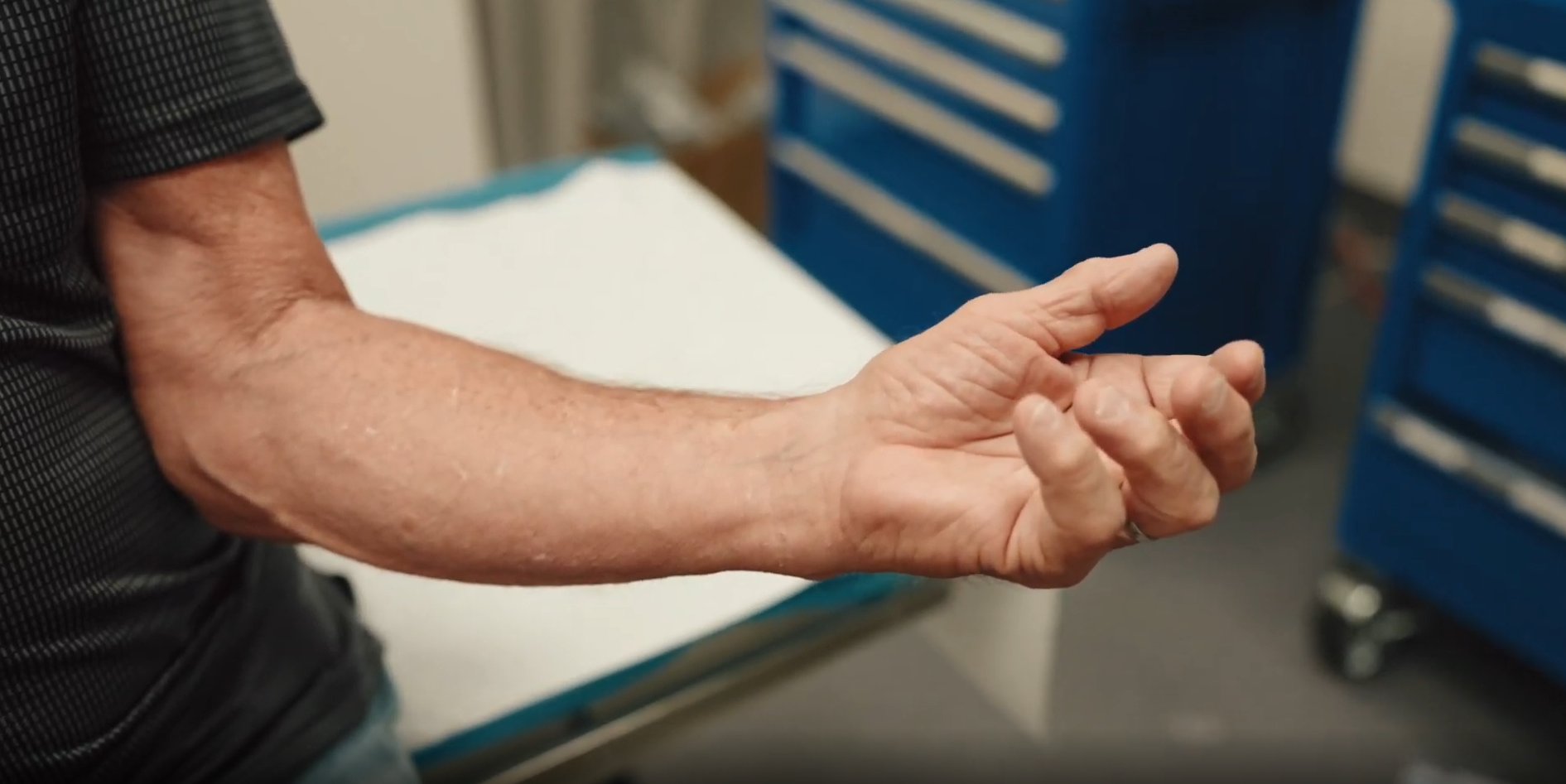
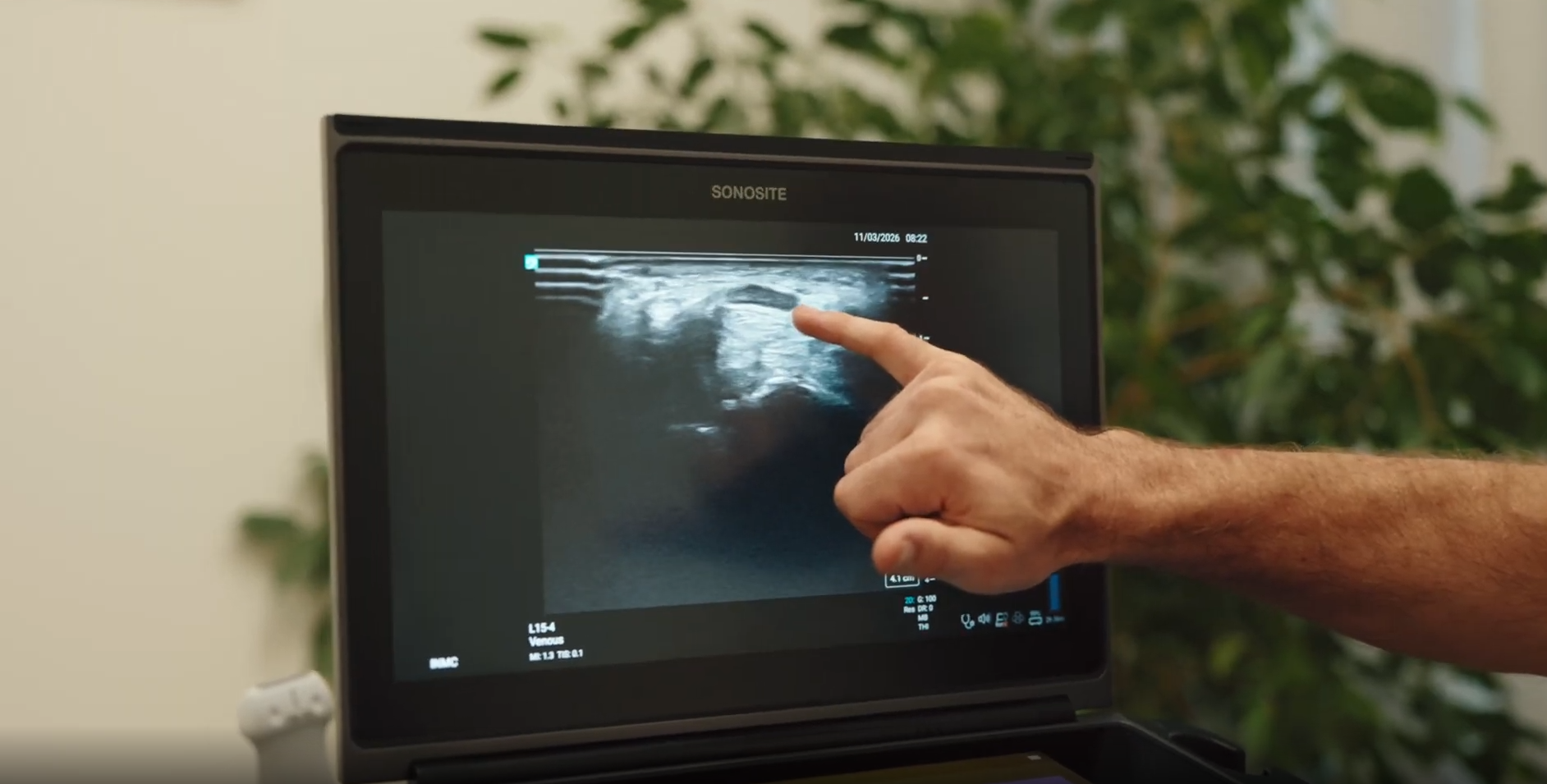
Your Doctor will undertake a detailed review your symptoms, conduct an examination and, using high resolution ultrasound imaging, mapping of the structures in the hand and wrist will be performed. Diagnostic tests, such as nerve conduction studies may sometimes be required to further confirm Carpal Tunnel Syndrome.
2
Your Doctor will explain the procedure, its benefits, risks, and alternative treatments available. They will also address any concerns or questions you may have.
3
Before the procedure, your hand and wrist will be numbed using a local anaesthetic to ensure your comfort during the treatment.
4
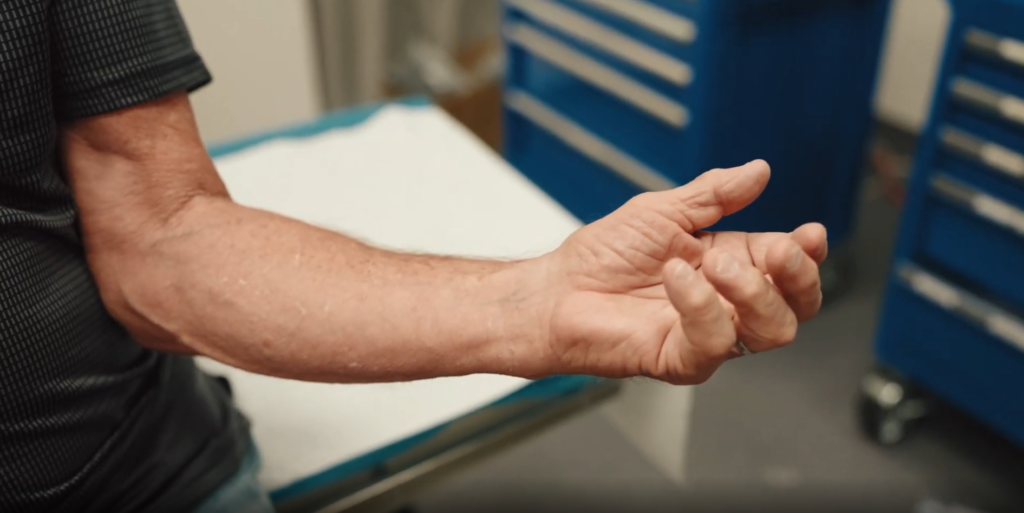
Advanced ultrasound imaging is used to visualize the carpal tunnel structures accurately. This assists in guiding the procedure and ensures precise targeting.
5
Using a Micro-Invasive instrument, your Doctor will access the carpal tunnel and gently release the pressure of the transverse carpal ligament using advanced ultrasound guidance. This step creates more space for the median nerve and tendons.
6
Due to the modern Micro-Invasive nature of the technique, there are no incisions on the skin, with only a single needle sized hole required. A simple band-aid is applied to the skin at the completion of the treatment.
7
You will be monitored for a short period after the procedure to ensure there are no immediate complications. Your doctor will provide specific instructions on wound care and activity limitations during the initial recovery phase.
8
A follow-up appointment will be scheduled to assess your progress, address any concerns, and provide further guidance on hand exercises and rehabilitation if necessary.
9
You will gradually resume regular hand activities, and your Doctor may recommend input from a hand therapist to aid in your recovery and help restore hand function.
Every procedure is carried out by a medical practitioner registered with the Australian Health Practitioner Regulation Agency. [Insert registration number/link for verification]
Our technique is taught and credentialed through the CMPM, which sets training standards for the micro-invasive release procedure across Australia.
Our pioneering work with the micro-invasive 'iBlade' technique has been covered by national news, reflecting growing recognition of this approach in Australia.
A documented track record across our clinics in Sydney, Canberra and Adelaide, with outcomes and recovery data discussed openly during consultations.
Perth