
Fill in your details and our team will be in touch to confirm a time. Ensure to scroll down to answer all the questions & to submit the form.
Walk in, walk out
No stitches
No need for anaesthetist
No skin cutting
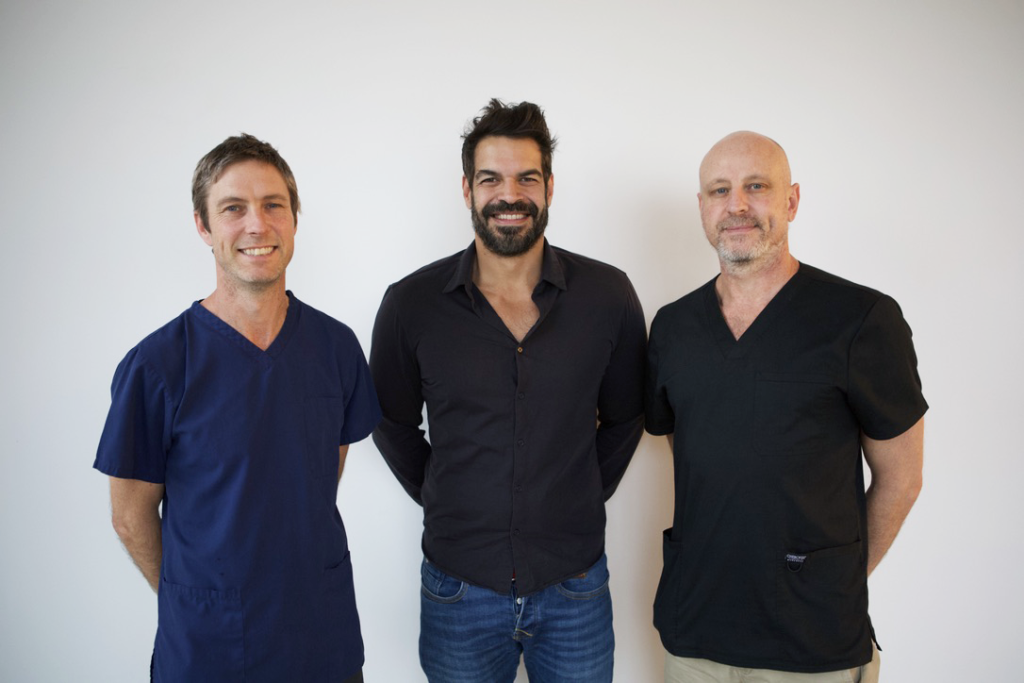
Carpal Tunnel Australia (CTA) is a collaboration between highly experienced Carpal Tunnel Doctors from across Australia who are committed to making advanced Micro Invasive treatment more accessible for everyone. Our CTA doctors also offer advanced Micro Invasive treatment through their own established clinics in their respective home states.
With over 48 years collective experience and over 700 audited procedures, they have contributed to research, education and media discussions about carpal tunnel syndrome. These dedicated Carpal Tunnel Doctors come together as Carpal Tunnel Australia – a national network which delivers care beyond their home towns, extending advanced treatment beyond their home states to patients in Adelaide, Canberra, Sydney and soon Perth.
Carpal tunnel syndrome is a nerve entrapment condition caused by compression of the median nerve as it passes through the carpal tunnel, a narrow channel where the forearm meets the hand. It affects around 3–6% of the adult Australian population, and is more common among people who perform repetitive hand movements, use vibrating tools, or are pregnant or going through menopause.
Dr Thomaz de Campos Silva is recognised as a pioneer of the ‘iBlade’ device, the core instrument used in our micro-invasive carpal tunnel release technique. This ultra-minimally invasive approach has now been adopted by trained specialists around the world.
Leaders in advanced carpal care, backed by research, clinical expertise and a commitment to ongoing innovation.

Medical Director (No. MED0001120492)
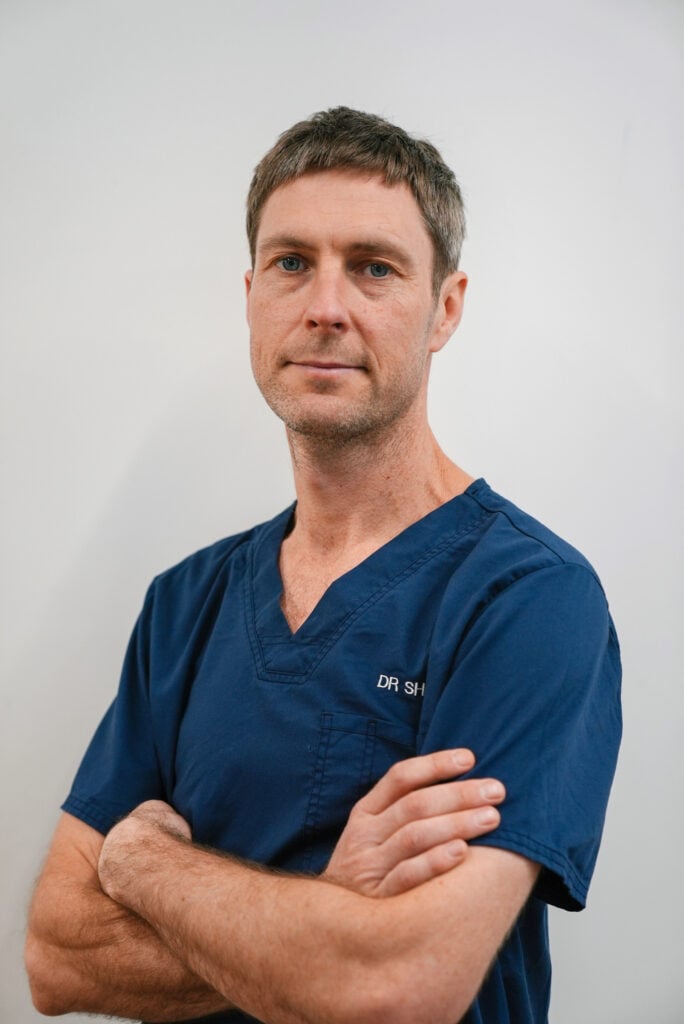
Medical Director (No. MED0000991282)
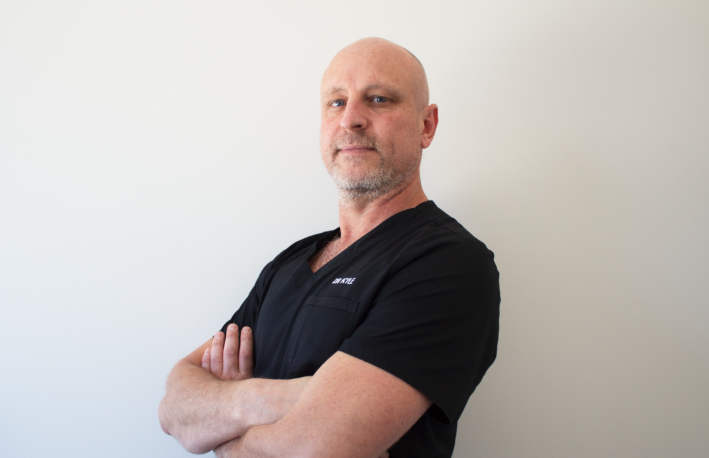
Medical Director (No. MED0000991282)
Guided by high-resolution ultrasound imaging, our practitioners gently release the transverse ligament using a specialised micro-invasive tool. The technique causes minimal disruption to surrounding tissue while relieving pressure on the median nerve, and is performed as a same-day, walk-in walk-out procedure under local anaesthetic.
Performed as a same-day procedure, with no hospital admission required.
The micro-invasive entry point doesn't require sutures to close.
Performed under local anaesthetic only, with no anaesthetist required.
Ultrasound-guided precision means no scalpel and minimal scarring.
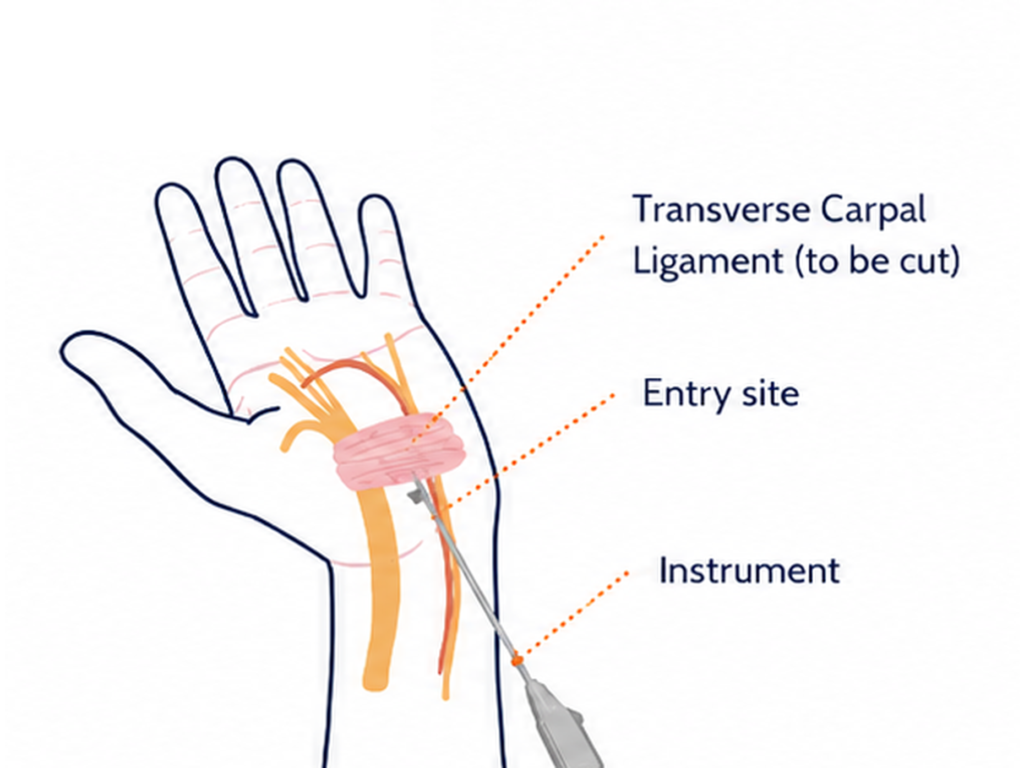
A micro-invasive tool is inserted under the carpal ligament, through a needle-sized entry point.
STEP 2
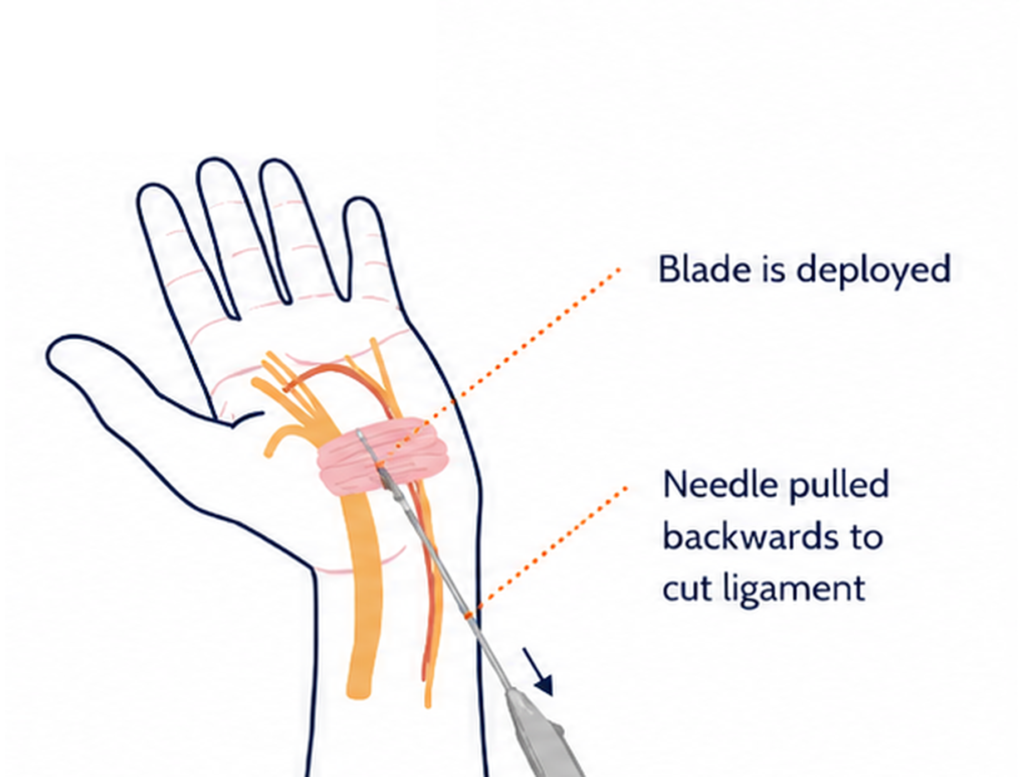
The carpal ligament is cut without impacting the skin.
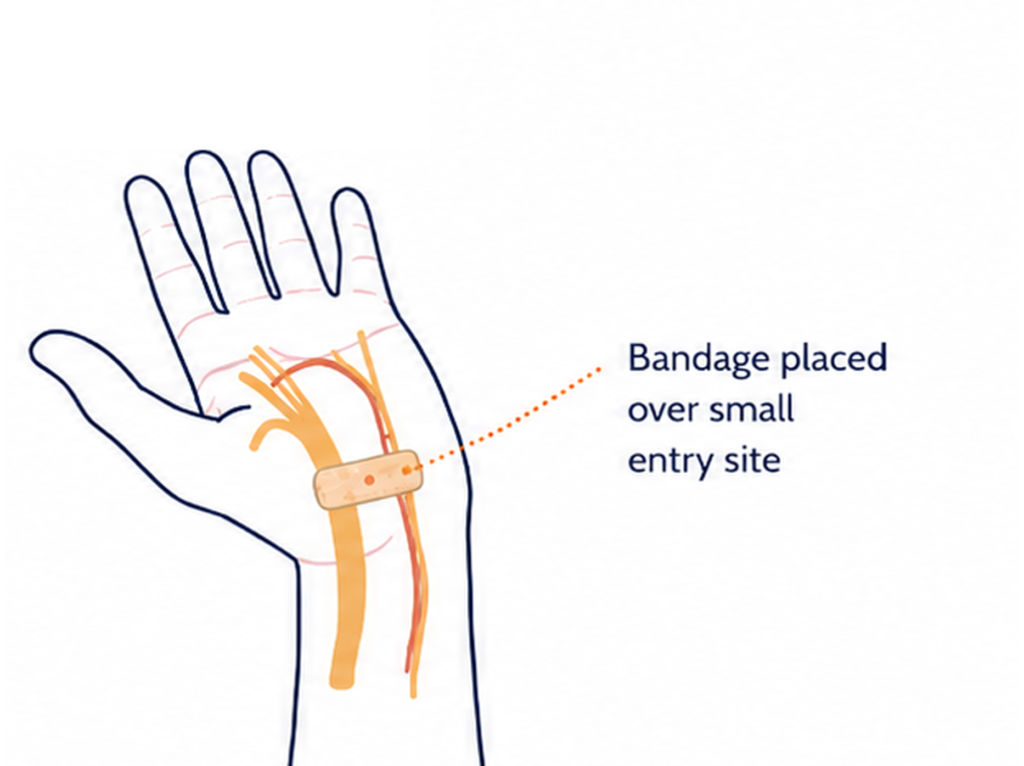
After the carpal ligament has been cut, the microscopic instrument is removed and a light dressing is placed on the wrist.
1

A thorough assessment of your symptoms, history and how they're affecting daily life.

High-resolution imaging maps the carpal tunnel and confirms median nerve entrapment.
3

Only the treatment area is numbed, with no general anaesthetic or anaesthetist required.
4

The micro-invasive release itself, guided by ultrasound, typically takes around 15 minutes.
5

Walk out the same day, with a follow-up plan to track your recovery and results.
Every procedure is carried out by a medical practitioner registered with the Australian Health Practitioner Regulation Agency. [Insert registration number/link for verification]
Our technique is taught and credentialed through the CMPM, which sets training standards for the micro-invasive release procedure across Australia.
Our pioneering work with the micro-invasive 'iBlade' technique has been covered by national news, reflecting growing recognition of this approach in Australia.
A documented track record across our clinics in Sydney, Canberra and Adelaide, with outcomes and recovery data discussed openly during consultations.
Carpal tunnel syndrome affects around 3–6% of the adult population in Australia. It’s more common among people who perform repetitive hand movements or use vibrating tools, and tends to be more prevalent in women, particularly during pregnancy and menopause.